
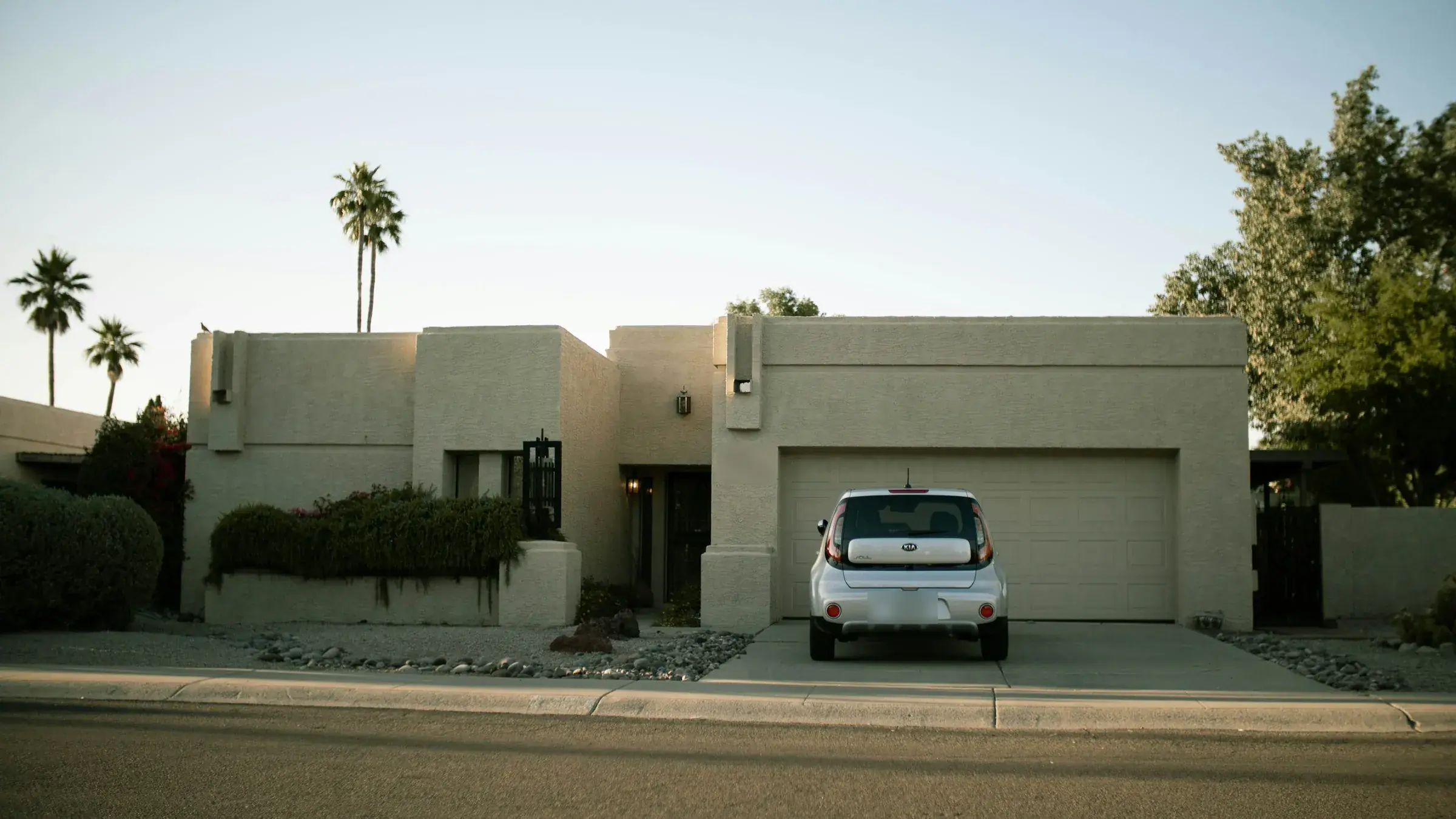
Garage Door Installation in Surprise, AZ
A new door is the one job on a garage you get to plan rather than react to. Estimates on new installations and replacements are free. The opening gets measured, you see what fits it, and you get one out-the-door price for the finished job.
Same day or next day on all non-emergency work.
Same day or next day on all non-emergency work
Veteran Owned & OperatedOwner OperatedLicensed, Bonded & InsuredArizona ROC #367070Residential doors since 2017
What the free estimate visit covers.
Four things done in your driveway, and no obligation at the end of them.
The opening is measured.
Width and height, then the headroom above, the backroom behind and the sideroom each side. Those four decide which doors and which track will fit, which is why nobody can quote this over the phone.
What is already there is checked.
The door, the track, the springs, the opener and the timber they hang off. A rotten jamb is part of the job whether anyone planned for it or not, and you hear about it before the number rather than after.
You get one number.
Door, hardware, springs and labor, as one out-the-door price for the finished job. It does not move once the work starts.
Nothing is owed if you say no.
You are not committed by booking the visit. Think about it, or price it against someone else. That is what the visit was for.
Repair it, or replace it.
Most doors that come up for replacement could be repaired once more. Five things decide whether that is the right call.
Panel damage.
A single dented section can sometimes be swapped on its own, if the door is still made and the color still matches after years of this sun. On an older door it usually is not.
Rust along the bottom.
Steel doors rust from the bottom edge up, usually where irrigation has been hitting them for years. Surface rust can be treated; rust through the skin has taken the strength with it.
Repairs that keep coming back.
One repair on a sound door is a repair. A third call in a year is the door telling you what it costs to keep, and worth pricing against a replacement before the fourth.
Wind rating.
The door is the largest opening in the house. A rated door is braced to hold a stated pressure. An unrated one holds whatever it happens to hold, which is what a monsoon gust finds out.
Insulation, if the garage gets used.
A workshop or a laundry behind a single skin door is a room with one wall missing. An insulated door is rated for what it keeps out; a single skin door barely registers, which is what you feel in July.
What you get to choose.
Four decisions, in the order that each one narrows the next.
Style
Raised panel, flush, carriage house or full view.
Raised panel is what most of the Valley has. Carriage house borrows the hardware and the lines of a swing door. Full view is glass in an aluminum frame and changes the front of the house most.
Material
Steel, aluminum, wood or composite.
Steel is the usual answer here and takes the heat without moving. Aluminum is lighter and frames a full view door. Wood looks like nothing else and needs refinishing on a schedule this sun sets.
Insulation
Single skin, or an insulated core with a steel back.
Insulation is rated as an R-value, and it makes the door stiffer and quieter as well as warmer. That is why people who do not care about the temperature still buy it.
Windows and colour
A top row of glass, or none. Painted to the stucco, or to the trim.
Glass puts daylight in a garage that usually has one small window, and clear or obscured decides how much the street sees. Color is what an HOA is most likely to have an opinion about.
Check the HOA before you choose a color.
Much of Surprise and Sun City was built to a plan, and the plan included the garage door. A community with an architectural committee will want the change approved first, and approval usually turns on the panel style, the color and whether the door has windows.
Submitting takes longer than choosing, so start it early. Ask for those three in writing at the estimate and you have something to hand over. If your community has no committee, the color is yours.
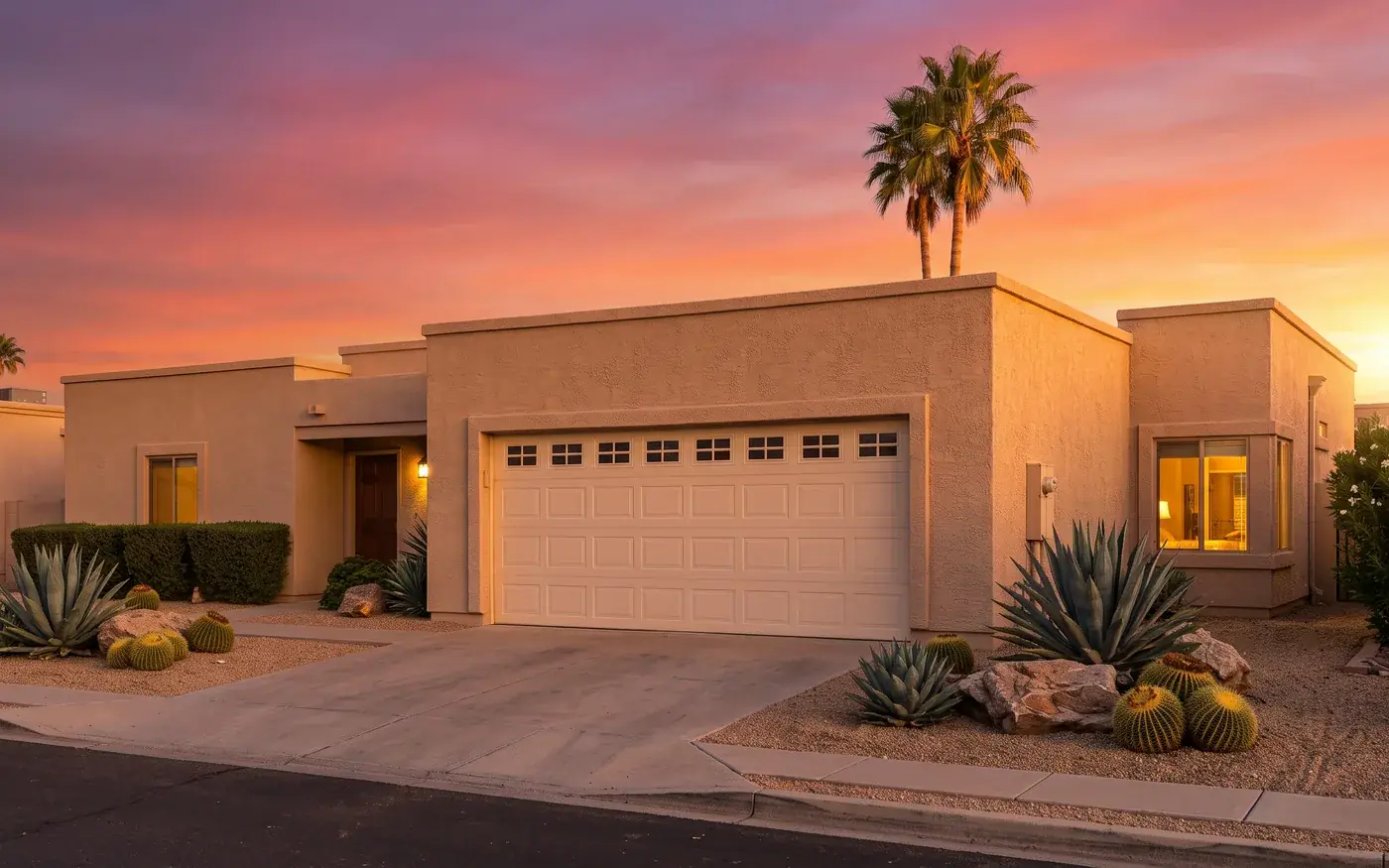
What installation day looks like.
The order it happens in, and the two tests that say it is finished.
The old door comes off.
Springs let down under control, cables and track out, sections off one at a time. The old door and its brackets leave on the truck.
New track, new springs.
Track set plumb to the opening rather than to the old holes, springs sized to what the new door weighs, bottom section levelled before anything stacks on it. A new door on the old springs will not balance.
The opener is reconnected and set.
Rail back on the new top section, travel limits and force reset for the new weight, photo eyes realigned, remotes paired.
Balance and safety tested in front of you.
Opener off, door lifted by hand, and it should hold where you leave it. Then the photo eyes are broken and something is put under the closing door, and it comes back up both times.
Garage door opener repair in Surprise, AZ.
An opener does not lift the door. The springs carry the weight and the opener only gives a balanced door somewhere to go, so the first question on any opener call is whether the opener is the problem at all. A door gone heavy on its springs will kill a healthy motor, and buying two is how people find that out.
The symptoms point in different directions. A remote that does nothing while the wall button works is a battery, a remote or the receiver. A door that reverses a foot off the floor is a photo eye out of line or a dusty lens. A motor that runs while the door stays put is a stripped drive gear. A door that stops halfway is a travel limit. Grinding is a dry rail or a gearbox on its way out.
Which of those is worth repairing is mostly a question of parts. A sensor, a remote, a wall control, a gear kit or a logic board is a repair. A worn gearbox in a unit nobody stocks parts for is not worth the labor twice, and you hear that rather than get sold the repair first.
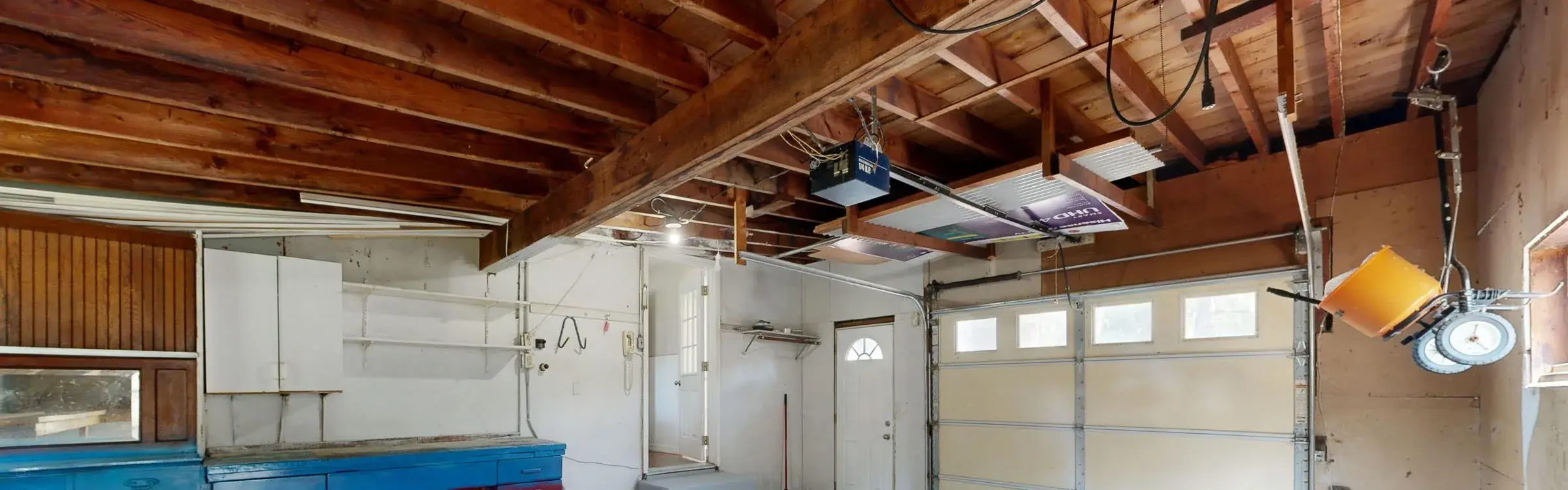
Repair the opener, or replace it.
What the choice turns on, and the one thing worth checking before you spend anything.
Repair what is there
A sensor, a remote, a wall control, a gear kit, a board.
Most opener faults are one part, and the part costs less than the labor to reach it. A sound unit with parts still available gets fixed.
Replace the unit
A worn gearbox, parts nobody stocks, or no photo eyes at all.
Openers built before 1993 were not required to carry photo eyes and mostly do not. That is the age check worth doing yourself: look for a small eye on each track, six inches off the floor. If there are none, the door cannot tell what is underneath it.
Smart control
Closing it from the office.
A smart opener tells you the door is open from anywhere and lets you shut it, which is mostly bought by people who have driven home once to check.
Battery backup
A door that still opens when the power is out.
When the power drops in a storm the opener stops, and a door without a backup opens by hand or not at all. Worth asking about on any replacement.
Maintenance and tune-ups.
Nothing is broken yet. A door opened four times a day runs a few thousand cycles a year, and the heat takes the grease off every one.
Inspection.
Springs, cables, drums, bearings, rollers, hinges, track and opener, with the door run up and down rather than looked at standing still.
Lubrication.
The light oil a spring ships with bakes off in a garage that sits over a hundred degrees for months. Springs, hinges, rollers and the rail get the right grease. The track gets none: grease there collects dust and grinds.
Adjustment.
Hardware that has worked loose, track alignment, chain or belt tension, and the opener limits and force, which drift with the door and the weather.
Balance and safety checks.
The door comes off the opener and is lifted by hand to see whether the springs still hold it, then the photo eyes and the reversing force are both tested.
What a new door costs, and what moves it.
You get the out-the-door price before anything is ordered. One number for the finished job, and it does not move while the work happens. If the answer is no, nothing is owed.
There is no figure on this page because the same opening takes a single skin steel door or a full view aluminum one, and those are not the same job. The estimate turns your opening and your choices into one number you can hold Check Six to.
What the number depends on
- Single or double, and the size of the opening
- Material, insulation and whether there are windows
- Whether the opener is going with the door
- What the framing and the surround need before anything hangs on them
Estimates on new installations and replacements are free. This is that work, so the visit, the measurements and the quote cost you nothing.

The owner behind the number.
Check Six is owned and operated by Zachary Pfisthner, an Arizona-born Air Force veteran who has been in the garage door trade since 2017. The work goes out under his licence, and the number you were quoted is the number he stands behind.
- Born in Arizona
- Former active-duty U.S. Air Force
- Former law enforcement officer
- In the garage door trade since 2017
- Husband and father
Installation questions, answered.
Four worth having answered before you spend an afternoon choosing a door. If yours is not here, text a photo of the one you have and ask.
Text a questionHow long does a new garage door take to install?
There are two questions inside that one and this page can honestly answer neither. How long before the fitting depends on the door you choose and what the supplier has; how long the fitting takes depends on whether the opening needs work before anything hangs in it. Both come with the quote, from the person doing the job, rather than off a web page.
Can I keep my existing opener when the door is replaced?
Often, yes. It depends on the age of the unit, whether it has photo eyes, and whether it has the pull for a heavier door if you are going from single skin to insulated. You find out at the estimate, and keeping it is the cheaper answer when it is.
Do I need HOA approval for a new garage door?
In much of Surprise and Sun City, yes, and it is worth finding out before anything is ordered. Most committees want the style, the color and whether there are windows. Ask for those in writing at the estimate and you have something to submit.
Is an insulated door worth it in Arizona?
It depends on what the garage is. If it is where the cars sleep, insulation buys you less than the brochure suggests. If it is a workshop, a laundry or anywhere you spend an afternoon in August, it is the difference between a usable room and a hot one. It is also stiffer and quieter, which is the part people notice first.
Ready when you are.
Call at any hour, or text a photo of the door you have and a line about what you want instead.